Thursday, 1 September 2016

Obsessive Compulsive Disorder (OCD)

A lot of healthy people can identify with having some of the symptoms of Obsessive Compulsive Disorder (OCD), such as checking the doors are locked several times before leaving the house or frequent washing of hands fearing contamination by objects touched, impulsive thoughts, obsession with having things in a certain order, counting or repeating words silently to oneself. Performing such rituals (compulsions) is carried out to prevent unwanted thoughts (obsession). The obsessions and compulsions can significantly interfere with a person’s ability to function and may consume a great deal of their time.
OCD can start at any time from preschool age to adulthood. Many adults with OCD report that it started during childhood. This disorder can be genetic or runs in families and research suggests that genes do play a role in the development of the disorder. When a parent has OCD, there is a increased risk that a child will develop OCD too. It is the general nature (e.g. Anxiety) of OCD that seems to be inherited, not specific symptoms. Thus a child may have a counting ritual, while his mother washes compulsively.
While treating OCD the homeopath will dig deep into the patients psyche to get a better understanding of what may be causing this psychological disorder. S/he will observe how it relates to the patients physical, mental and emotional state (Homeopathy treats the person as a whole). A suitable remedy is then selected after a full individualizing examination and case analysis.
Homeopathic Remedies for Obsessive Compulsive Disorder
Arsenicum Album: A Homeopathic remedy for persistent thoughts of death accompanied by Obsessive Compulsive Disorder.
Arsenicum Album is the top natural Homeopathic medicine for Obsessive Compulsive Disorder with persistent thoughts of approaching death. Arsenicum Album is of great help for patients of Obsessive Compulsive Disorder who are hypochondriacal, restless, anxious. Such patients need people around them and cannot remain alone because they feel worse when alone. Conscience, as if a crime had been committed. The patient is inconsolable with complaints and lamentation. They fear solitude, specters, and robbers, with desire to hide oneself. Indecision and Changeable humour, which demands this at one time, that at another, and rejects everything after having obtained it. Despair, he finds no rest, especially at night, with anguish. Despondency, weariness of life, inclination to suicide, Too great sensibility and scrupulousness of conscience, with gloomy ideas, as if one had offended all the world. Depression, melancholy, despairing, indifferent.
Argentum Nitricum: A Homeopathic remedy for impulsive thoughts in Obsessive Compulsive Disorder.
Argentum Nitricum is the best natural Homeopathic medicine for treating patients of Obsessive Compulsive Disorder who have persistent impulsive thoughts. These impulsive thoughts can have different symptom presentations for example one might be travelling on a ship and there is a persistent impulsive thought to jump into the water; while crossing a bridge over a train line, there may be a thought to jump on to the line, or, when standing on top of a high buildings, there is the horrific thought of jumping down. Another marked feature for recommending Argentum Nitricum for patients of Obsessive Compulsive Disorder is that the impulsive thoughts make the patient very restless and anxious. This results in constant walking to get rid of such impulsive thoughts and the person walks till they are weak and exhausted.
Calcarea Carbonica A Homeopathic remedy for persistent thought of going mad or insane.
Calcarea Carbonica is a Homeopathic remedy for patients of Obsessive Compulsive Disorder who are mentally exhausted and constantly think of going mad or insane. This thought of going mad prevails in the patient’s mind day and night and he or she is unable to put it aside even during sleep. This fear of going mad leads to great distress and to overcome it, the patient leaves all pending work aside and keeps himself or herself busy in breaking sticks or bending pins.
Natrum Muriaticum A Homeopathic remedy for compulsion to check locked doors repeatedly
Natrum Muriaticum is the best natural Homeopathic remedy for those patients of Obsessive Compulsive Disorder who are obsessed with the idea that thieves may strike and repeatedly check the locks of doors. The obsession is so persistent that the patient even has dreams of thieves in the house and wakes up to check the doors again and again.
Syphilinum and Medorrhinum Homeopathic remedies for Obsessive Compulsive Disorder with compulsion to wash hands.
Syphilinum and Medorrhinum are very good natural Homeopathic remedies for patients of Obsessive Compulsive Disorder who feel the compulsion to wash their hands again and again due to the persistent thought of getting their hands contaminated or dirty by touching any object. Such patients feel that germs are present on each and every object and get into the habit of washing hands at very short intervals, without giving any consideration to other important work in their lives.
Silicea A Homeopathic remedy for Obsessive Compulsive Disorder with thoughts of pins
Silicea is the ideal l Homeopathic remedy for patients of Obsessive Compulsive Disorder who have the persistent thought of pins and fearing pins, look for, collect and even count pins again and again.
Homeopathic remedies for Obsessive Compulsive Disorder with persistent religious thoughts.
Natural Homeopathic medicines Stramonium and Pulsatilla are equally good in tackling the persistent religious thoughts in patients of Obsessive Compulsive Disorder where the patient constantly thinks about religion, reads holy books all the time and is almost always praying.
Homeopathic remedies for Obsessive Compulsory Disorder with tendency to put everything in order
Nux Vomica are oversensitive and of a careful and angry nature. They demand things to be done as they want and get angry if the order is not followed.
Arsenicum Album is of great benefit for those patients of Obsessive Compulsive Disorder who are very conscious about the order of things and cannot rest if the things are not in their proper place. This compulsion can be so strong that even if a painting hanging on the wall is slightly tilted, the mind does not rest until it is properly placed. Such patients also demand neatness in clothing.
Carcinosinum is a remedy for Obsessive Compulsive Disorder patients who are very concerned about cleanliness and want a specific pattern to be followed not only in placing things, but also in their dressing style. For instance, they always like colour’s to match when dressing up and also when decorating a room. They demand perfection in everything they do.
Case of Obsessive Compulsive Disorder (Patient T aged 28)
When I first met T she was suffering with severe anxiety and a hypochondriac. She would ponder all the possible illnesses she had on a daily basis. As a young girl she was always depressed and anxious. Once in 4th class her teacher had scolded her in front of other pupils for having a stain on her uniform. Since then she tried to be clean and tidy about everything. If she thought things were unclean and untidy she would get into a state of anxiety that resulted in terrible headaches. T also suffered with severe anxiety about her loved ones. It caused her to feel exhausted and confused. Washing her hands 4 -5 times before eating became a very regular occurrence.
She always felt neglected by her parents. Her father was quite strict and shouted at her a lot. Her parents were very religious and expected her to go to church regularly. She was fearful of her father as he would make a scene if things were not done as he wished and in a certain manner. To avoid conflict of any kind she remained quiet, did not express her opinions and certainly did not wish to draw attention to herself.
T’s younger sister was popular, academic and quick witted. Her parents compared them on a regular basis and this made T nervy and anxious. As a teenager T got involved in the wrong company. They captivated her and lured her into selling drugs and making a lot of money. Her new friends loved to party and lived life in the fast lane. T felt lost, isolated and confused and had little understanding of their way of life. During this phase she was sexually abused by an older man while staying with a friend for the weekend.
A discernible feeling of inferiority developed along with fear of death and ghosts. T found it difficult to mix with people and became painfully shy. She believed that food and drink prepared by others was contaminated. She failed her final college exams as she found it hard to concentrate or understand the exam questions.
A full individualizing examination and case analysis was done and the patient was prescribed Calc Carb 200c. T was seen again after 4 weeks and she reported feeling much less anxious and her headaches had disappeared. Calc Carb 200c was repeated and she returned 6 weeks later and reported feeling much more positive and less worried about illness and contamination. Again
Calc Carb 200c was prescribed with a follow up appointment for 6 weeks. When T returned she explained how she was much less worried about the welfare of her family and loved ones. She did not was her hands repeatedly as she had been compelled to do before. She started a new office job, made some lovely new friends and was happy. T continues to check in with me on a regular basis and I treat her for other minor, acute ailments but thankfully I have to date not to prescribe for OCD

Wednesday, 31 August 2016

Back to School Anxiety

The new school year is upon us and going back to school can be really upsetting for many children especially if they are starting at a new school, or beginning school for the first time. Their main concerns include how will I perform when asked a question, what if I make a mistake, how will my teacher react, will I make friends or be disappointed? Between facing new teachers, new friends, new classrooms, schedules and leaving fun filled summer days behind is it any wonder the transition can be upsetting. I have successfully treated children (and parents) when nerves are restless, senses heightened and emotions in turmoil. Homeopathy is safe, non toxic, non addictive, non invasive and helps children do and feels their best through all the mental, emotional and physical challenges of school. Let me share with you some self help information and homeopathic remedies that provide back-to-school support.


· Firstly let your child know that it is perfectly normal to feel worried about starting something new but once they give school a chance they will get used to it and feel better in no time at all.
· Younger children may find it difficult to articulate their worries, whilst older teenagers may just not consider it “cool” to communicate their worries. Just letting them know you are there to talk should they want to, is generally enough.
· Reflect back your observations “I can see you are feeling really nervous / anxious”; or for older kids: “I noticed you looked anxious when we were talking about school today….is there anything in particular you were worried about?”


Homeopathy provides effective remedies for back to school anxiety and they are also assist with other types of anxiety such as a trip to the dentist, or nerves before making a presentation, sitting an exam or test performance. Homeopathic medicines should be available in your local health shop, pharmacy or online. Read the descriptions for each remedy below and choose the one most appropriate for your child. Give the homeopathic medicine 3 times a day for up to 14 days. If symptoms disappear before the 14th day discontinue the remedy. If symptoms continue it would be advisable to seek the help of a qualified Homeopath who has a better knowledge of remedies, potencies and the frequency for repeating the remedy etc.

Aconite 30: Give this medicine to a child who is extremely fearful and restless. They cannot sit still and may actually have a scared expression. This is also the main acute Homeopathic medicines for panic style attacks with a beating heart, sensation of not being able to get enough air, and feeling faint.


Argentum Nitricum 30: Give this remedy to a child who suffers with anticipatory anxiety and feels very nervous. They are likely to have diarrhea and flatulence with their anxiety.


Arsenicum album30: Give this Homeopathic remedy if your child is very restless and insecure with their anxiety. They may show a degree of exhaustion but you know this tiredness has an emotional basis and is linked to anxiety.


Calc Phos 30: Give this remedy when your child is reluctant to go to school. They may have headaches and/or tummy aches that prevent them from going. They may deny there is anything wrong at school but they have the convenient ‘illness’ that allows them to stay at home.


Gelsemium 30: A great general anticipatory anxiety remedy for anxiety before an event such as a first day, exam, or performance. Child feels cowardly and weak. They feel the task ahead of them is too much. (If in doubt and your child’s anticipatory anxiety symptoms are hard to define, try Gelsemium first before other homeopathic medicines.)


Lycopodium 30: Give this medicine when your child is fearful that they will fail and look foolish or incompetent in front of others. They are likely to cover this anxiety up with an overly confident manner but they don’t feel confident. Often these types will ‘perform’ very well each time but still have the preceding anxiety.


Case of Child with Separation Anxiety
A 5 year old, boy, D had just started school. Within the first week he had difficulty sleeping at night. When he did fall asleep he awoke with night terrors and it would take two hours at least before he could fall back to sleep.


When getting ready for school D would complain of tummy ache or headache and insisted his mother travel on the school bus with him. If she refused to go with him he would throw a tantrum.


His teacher reported how D had to use the toilet very often has he complained of loose stools. She also observed him become anxious and breathless for no apparent reason. When she would enquire if all was o.k.? D would become restless and was unable to sit at his desk preferring to pace about the room.

While taking the case I learnt that D’s mother had been hospitalised for a minor procedure during the summer holidays. This event appeared to have traumatised D more than anyone realised.
I prescribed the Homeopathic remedy Arsenic album 200c. D visited me every four weeks for 6 months. On each follow up the same remedy picture and potency was indicated. On each visit D’s symptoms of anxiety lessened. There was a brief recurrence of anxiety a year later, but D’s coping skills were effective at dealing with the problem. Homeopathy made his anxiety attacks more manageable and shorter in duration until finally the anxiety disappeared completely. D’s self esteem strengthened and there was a positive outcome. The case reinforced for me the wondrous results that can be achieved with Homeopathy.

When children are upset and anxious it is easy for parents to worry also. They too can be helped with Homeopathy. Thankfully this starting school transition is usually short lived. A child’s ability to deal with the newness of school will give him/her tools to deal with bigger more demanding events in their lives. When a child has to deal with difficult situations it teaches them how to cope and grow into adults that can cope with adversity. Love and understanding is a prerequisite when helping an anxious child along with a correctly matched homeopathic remedy.

Tuesday, 2 August 2016

Homeopathy can dissolve Anxiety


Image result for picture of very happy person

Based on principles known and used since the time of Hippocrates in ancient Greece, homeopathy, as we know it, was instigated by a German doctor, Samuel Hahnemann (1755 -1843) and has since spread worldwide. It is a safe and effective form of natural medicine that offers a real alternative to those looking for a more natural approach to wellness and healing. Over the last two hundred years, homeopathy has proved itself to be a powerful, effective, holistic tool in treating the physical, mental and emotional symptoms of Anxiety.  
As a classically trained homeopath I recognise that symptoms of anxiety, such as panic attacks, digestive problems, sleep disturbance, muscle tension, compulsive behaviour, depression, are merely expressions of an underlying imbalance in the patient's energy. All the symptoms the patient presents with — physical, emotional, mental, even spiritual symptoms are seen as an expression of this imbalance. Rather than controlling or suppressing these symptoms, I treat them collectively with an appropriate remedy.
Homeopathic remedies are selected, and prescribed in minute doses to stimulate the patient's energies and thereby resolve the underlying imbalance. By treating symptoms in this manner, patients will experience a return to health that is gentle and without any of the possible complications or dangers of allopathic medical treatment.
Despite being used in many other countries homeopathy, as a profession, is still relatively new to Ireland. The study of homeopathy is arduous. Professional training takes a minimum of five years study followed by internship / supervision before the student can become a registered practitioner. To get the best quality homeopathic treatment, it is important to ensure that the practitioner is appropriately qualified as many medical practitioners in Ireland, both allopathic and alternative, use homeopathic remedies with their patients, without the rigour of such training.       
Case History (1)
Mary a single woman in her late fifties, presented for treatment as she was suffering with anxiety. Her symptoms included restlessness, depression, disturbed sleep, terrifying panic attacks and a great need for order and cleanliness. She had severe abdominal cramps accompanied with diarrhoea, her heart palpitated and her limbs felt weak and trembled. Her G.P. had prescribed medication to deal with her panic attacks and depression. She drank at least a half bottle of wine most nights to deal with her insomnia. She had given up her professional career 5 years ago to look after her husband who had suffered a stroke leaving him severely paralysed and unable to think coherently.
While Mary was preparing dinner one evening her husband attempted to get out of his bed in the next room. It resulted in a serious fall, and a broken hip. Mary felt overwhelmed and collapsed mentally, physically and emotionally. Her other symptoms started soon after.
I treated Mary with the remedy Arsenicum Album, a remedy often required by those experiencing intense anxiety, arising from a deep sense of insecurity and inability to adapt to life's changes. The treatment lasted six months, at the end of which Mary had come off all her conventional medication. Her abdominal cramps and diarrhoea disappeared; she slept well which resulted in high energy and a newfound zest for life. She was free of panic attacks; and drank wine only when out to dinner with friends and family. Instead of feeling depressed about life’s circumstances she makes the most of each day with her husband and is enthusiastic about what the future may hold for her.
            Case History (2) 
Harry 59 ran a plant hire business. He described himself as "very successful” Despite all the evident trappings of success, sun holidays twice a year, top of the range car, expensive clothes, jewellery and an exclusive address, he was deeply unhappy, anxious and suicidal. He got no pleasure from life and the only thing that had kept him from suicide was the deep sense of responsibility he felt for the wife and widowed mother he would leave behind. What would happen to them when he was gone?
He worked from age 16 years and had always been driven to succeed, to work hard and make a lot of money.  But having achieved all this he now found it meaningless as he did not have family to pass it on to. Suffering a minor stroke resulted in vascular surgery. He suffered from regular angina attacks, had elevated cholesterol levels and dangerously high blood pressure, Harry gave up hope of ever getting well and felt that a heart attack was looming. He told nobody of his condition. This was his responsibility alone. His illness made him feel unable to work to his full potential and he felt a failure. He was consumed with worry and guilt. Who would look after his many employees and his family?
I started Harry on daily doses of Aurum metallicum, (metallic gold). It has the ability to bring people out of deep, dark, hopeless, often suicidal depression. It also treats a wide range of serious heart disorders. Patients needing this remedy often experience life as an encumbrance and they alone must carry the burden.
During his treatment, Harry recognised that his depression stemmed back to the death of his young son and he went through and intense period of grief. Instead of grieving when he should have he threw himself into his work and buried all the pain of his loss. This newfound awareness instigated a process whereby Harry decided to take early retirement from his job, much to the delight of his wife. He felt life was on the up and up. His cardiologist was very pleased with a  check up some weeks later and reduced  his medication.


Tuesday, 26 July 2016

Work Stress

Noirin Carr McGarrigle Homeopath Anxiety Disorder Specialist's photo.
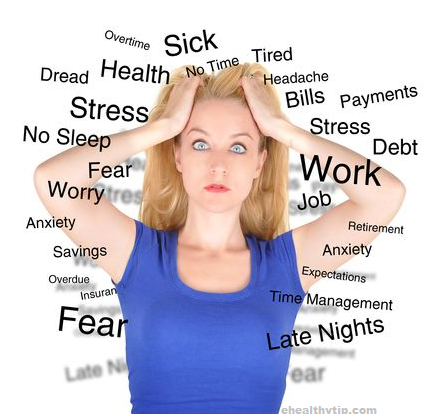
Work stress in general has been linked with health issues such as depression, weight gain or loss, poor sleep, lack of concentration and drug and alcohol abuse. Work stress also takes its toll on family life and other relationships. Studies related to work stress show that there are a number of physical and mental effects unique to this type of stress for example: - Your boss criticises you for a bad presentation — you break out into a sweat. A demanding work colleague insists on socialising after a busy day — your head pounds. Gossip is doing the rounds about possible layoffs at work — you can’t sleep. An unexpected bill was paid and you can’t provide a receipt for accounts section — you feel nauseas. Why do we react this way?
In times past, the greater part of stressors facing us humans on a daily basis were physical. Dinosaurs, lions, tigers and bears shared or surroundings. One was constantly on high alert. You had two choices, stay and fight the beast or run like hell away. Contrary to what we humans think about our survival skills research indicates that we are not particularly impressive physical creatures at all. Many animals can out run us, out smell us, out see us, and out hear us. How are we still in existence? Well one valuable trait we humans have is our ability to respond effectively to threats. Our “fight or flight response could always be relied on.
When stressed be it as a result of fighting of a bear, outrunning a tiger or dealing with a horrendous boss the sympathetic nervous system takes control of the body, which then triggers the fight or flight response. Once our bodies identify a threat (animal or boss!), we prepare to defend ourselves or flee. Muscles tense up, the heart starts beating faster and blood flows away from any non-essential body system. The problem, though, is that while in by gone days our stressors were primarily physical, today the greater part of our stress is psychological — work, family, finances, and the like. Yet our bodies still respond as thought we are in physical danger. So when your boss yells, your body reacts with “Ahhhh grizzly bear.” It’s like our bodies have yet to catch up to a new, less primitive way of dealing with modern stressors.
When constantly and severely stressed, the amygdale (a sensor at the base of the brain for vetting every input for possible threats) can become overly sensitive and hyper-vigilant, making even relatively harmless events (such as your boss’s raised voice) seem like a threat. We can become instinctively snappy and over-react when we are feeling strung out. When the body is constantly stressed, we deplete our physical, mental and emotional resources, which can, over time, have a detrimental effect on us. As a homeopath I have come to understand that there are many situations which individuals can find stressful, and many ways in which people experience stress. For some it’s a feeling of anxiety, a kind of nervousness. For others, it’s primarily a kind of agitation. Yet for others it’s a feeling of not being able to cope. Individuals have quite different interpretations of the word “stress” and experience individual emotions and inner feelings when stressed. The situations, the sensitivities and the particulars of the individual's’ symptom patterns are the key to finding the best remedy for someone.
Realistically we can’t, and shouldn’t, remove stress from our lives, but we should strive to ensure that our whole being is working optimally so that we can cope well, become resilient and confident then, stress can be a useful tool rather than a limiting, distressing phenomenon. A well chosen homeopathic remedy can help to achieve this goal. As always, the homeopathic approach recognises that there is no single remedy for stress. The most appropriate remedy will be the one which best matches the individual’s experience and characteristics of stress. With this in mind I’d like to describe for you some of the leading characteristics of some commonly indicated remedies for those who are experiencing work stress, partly so you can see the diversity of patterns, and partly because you might identify with one or two which could be useful for you, yourself.
Argentum nitricum
The pattern of Argentum nitricum is predominantly focused on the bowels and the limbs. This is a common state. The bowel becomes noisy with loud gurgling and this over activity can reach the outside world as diarrhoea. The anxious, stressed exam candidate who has to keep dashing to the loo is a typical example. But it’s not just the bowels which become overactive. This poor soul becomes tremulous developing both a fine tremor of the hands and shaky legs. You can imagine how difficult this is if you are a musician about to perform in a major concert! They feel flushed and overheated, crave something sweet or sugary, which can easily make them feel sick.
Gelsemium
This is the classic stage fright remedy. There’s a theme of paralysis running through all its main features. It’s the pattern where the main focus is not so much the bowel but more the head and the limbs. The legs feel heavy and shaky, and there’s a foggy, dull feeling in the head. It can feel quite like certain kinds of flu. When about to get up on stage they find their legs just won’t take them, or they get onto stage and find that their voice has disappeared and they’re unable to talk or sing. Most professional performers who have these symptoms find that once they actually get going, once they begin to act or sing, then the symptoms disappear and they actually perform very well. In fact, that’s also the case with Argentum nitricum, where if they can get beyond the stressful symptoms, many of these people can deliver excellent performances.
Arsenicum album
The patient who responds well to Arsenicum album, for example, is usually quite an anxious, nervous type of person, someone who is very fastidious and punctilious. In fact, these are people who always arrive in plenty of time for an appointment because they absolutely cannot stand to be late. Time pressure can be a major source of stress.
Bryonia
 The main focus for the Bryonia patient is stress about their business or about money. These are people who are hard workers and whose work provides them with the money they need to live their lives. It’s not that they are necessarily ambitious or competitive. It’s more that they have a deep insecurity about not having enough money, a real fear of poverty. When such a person faces uncertainty at work, then their stress levels can go through the roof. The stress manifests itself most typically as physical pain or stiffness.
Calcarea carbonica
This is another common work focused remedy. People who need this remedy are good steady workers but they get especially concerned about being observed or stressed by being hurried towards a deadline of some sort. You can imagine that in difficult economic times, as employees come under increasing pressure to do more in less time, that the Calcarea carbonica patient will become very stressed. Another common feature of employment these days is appraisal. More and more, employees are being subjected to demands to demonstrate their work skills and performance. If you are a typical Calcarea carbonica type, then you’ll find the annual appraisal round an especially stressful event.
Staphysagria
Other patterns are revealed by the kind of issues to which a person is sensitive. Unfairness, or injustice, is one such common issue. The Staphysagria patient, for example, will probably have experienced something which they feel has been unjust or unfair. “It’s just not fair!” is a common remark they’ll make. This is common in either school or at work where someone is being bullied. A remedy, of course, will not change a bully’s behaviour, but if it enables the bullied person to feel stronger and less vulnerable, then they often find that they cease to be the target of the bully.

Tuesday, 14 June 2016

Overcoming Anxiety Disorders To Live The Life You Want.


My desire to help others understand themselves and to overcome Anxiety and live the life they envisage has a personal element to it. There was a period in my life when I had a lot of extra life stressors to deal with and I developed an anxiety disorder in the form of Panic Attacks. Consequently I ended up in a doctors’ surgery with multiple physical symptoms that I ascribed to a life-threatening illness. A physical examination ensued as a Panic Attack can be difficult to assess when it presents acutely.  My heart was pounding; there was chest pain and discomfort, I was dizzy, found it difficult to breathe and swallow. There was also a “pins and needles sensation” in my hands, feet and face. Naturally I was overcome with fear. Was I going to die?

That was over 30 years ago when quite often panic was overlooked as a potential cause. Back then the symptoms of my Panic Attacks were not recognised or diagnosed, and my G.P. enquired “ Do you think it might be all in your mind?”. In point of fact my Panic Attacks resulted as a consequence of my perception in a stressful situation.  So to some extent it was “in my mind!” Yet, I don’t believe that is what my well meaning, family GP meant when he asked the question. He subsequently reached for his prescription pad and said “I will prescribe something to help with your depression”. I left the surgery more confused and definitely more depressed.

My Panic Attacks were unrelenting. I became unrealistically worried and anxious about everyday things expecting the worst even when there is no apparent reason for concern. It resulted in me withdrawing from normal activities like shopping, walking the dog, socialising with friends and family for fear of having a Panic Attack in public. I feared being alone in the house in case I would have an attack and die. The persistent anxiety over having further attacks was leaving me in a terrible state of trepidation. Left untreated the attacks were going to cause me many problems and destroy my life. It was time to seek help and the sooner the better. I needed to control my anxiety levels, stop worrisome thoughts, and conquer my fears preferably without the support of anxiety medication.
It was whilst researching therapies to assist with Panic Attacks that I found homeopathy. According to trials homeopathy was just as effective as diazepam (Valium) and benzodiazepine (Lorazepam or Ativan) at treating Anxiety Disorders but without addictive or harmful side effects. It could be used as a sole treat­ment if I choose not to see a counsellor or ther­apist but nevertheless wanted some help to recover from anxiety. There were so many homeopathic med­icines that could be used to treat the numer­ous symptoms of my anxiety that it was hard to know where to start. After medical tests etc I deduced my symptoms were not due to a physical illness such as an underactive thyroid, heart condition, stomach ulcer etc, It is advisable therefore to talk to your GP first to make sure of the diagnosis before starting homeopathic treatment.
Anxiety or Panic Attacks affect everyone at some stage or another but homeopathy has remedies to help. With the right homeopathic treatment, those living with debilitating anxiety can once again look forward to enjoying happy, worry-free lives.That’s why I’m glad to help. This is what I hope to do for you in my blogs: to provide useful information, anecdotes, and the like so you can connect and know you’re neither alone nor misunderstood. I will indicate useful remedies especially for your constitution type that will provide relief from your Panic and Anxiety Disorders. Good Luck!

 Some Useful Remedies
Arsenicum One of the first medicines that I think of when I see someone with all the symp­toms of anxiety with depression, partic­ularly when there are gastric symptoms of indigestion and diarrhoea, combined with panic attacks, is Arsenicum album. This medicine is based on white arsenic which causes severe gastroenteritis if taken in a toxic dose, which is why it can help similar symptoms when taken in a homeopathic potency. Somebody doing well with Arsenicum will probably be neat, tidy but restless. They may look anxious and drawn and tend to have a fastidious way about them, being able to give a lot of detail to their symptoms. Often I find that such a patient has to tell me all their troubles in a very method­ical but sometimes time consuming way.
 Arsenicum patients can be convinced that they have a physical illness which is being missed because they feel so ill and may in fact end up having a num­ber of investigations such as endoscopy and colonoscopy before finally accept­ing what is wrong with them. They can feel that they will never be well again. Fear is a prominent symptom, causing apprehension and dread, with an over­whelming feeling that everything will go wrong, and they despair of their recov­ery. These can be patients that I have to try very hard to reassure and I will often use a 30c dose, three to four times a day, with Aconite 30c taken as needed if they are having additional panic attacks.

Ignatia Where depression follows from bereave­ment, loss, or a shock, such as witness­ing a fatal road accident, Ignatia can be useful. The symptom picture is typified by emotional ups and downs with mood swings and is often quoted in homeo­pathic reference books as “laughter alter­nating with tears”. Having suffered the loss of a parent, I know myself the separation feeling that one under­goes when someone close to you dies and I remember being able to talk quite calmly one minute, and then being overcome with tears soon afterwards before becom­ing calm again a few minutes later. Often the sufferer can prove difficult for friends and loved ones to deal with as they are so up and down, being resist­ant to sympathy and oversensitive to well meaning advice, which may be wrongly taken as criticism. Ignatia patients tend to “bottle things up” and cry and give deep sighs during the course of their con­sultation. It may be hard for them to talk if they are overcome with their miser­able situation and friends can find it well nigh impossible to cheer up such patients. Poor sleep is common and so is the feel­ing of a ball or something stuck in the throat, known conventionally as globus syndrome. I often give a few Ignatia 30c tablets to recently bereaved patients to take when needed, especially around the time of the funeral, and will use a 200c on a weekly or monthly basis for per­sistent depressive symptoms.

Natrum Muriaticum  Another remedy that can bottle things up, but reacts quite differently to the Ignatia patient is Natrum muriaticum. This is one of my most frequently used homeopathic treatments for symptoms of stress, such as those typified by mild depression. I find it very useful when a patient has never been well since a shock or loss and feel as if they have a glass wall between them and the rest of the world. Often they have been unable to cry since bereavement and feel that they have not grieved properly for their loss. They feel worse for sympathy yet are very empa­thetic people. They sometimes build up a barrier emotionally and can appear somewhat cold and distant. They can worry about upsetting people uninten­tionally by saying the wrong thing and also can take things the wrong way. I tend to view these people as the “salt of the earth” type, having a strong sense of duty, but can find themselves being overwhelmed by the responsibility of their work, especially if they are caring for an elderly or sick relative. Such patients can feel that they should be doing more, not less, and feel they must “just get on with it”, and yet feel more and more tired and low in spirit as time goes on. Grudges can build up, with resentment. There may be an increased sensitivity to noise; certain passages of music may move them to those long awaited tears, but without relief from their low mood. I have discovered to my cost that using too high a dose of Natrum mur can cause emotional upset without improving the symptoms of depression so I tend to use a one off dose of 200c when there is a clear history of a defi­nite cause to the illness and a daily 30c dose if the trigger is less clear.

Sepia When all energy is drained, and my patient feels that they are unworthy of anybody’s love or attention, I turn to Sepia, a rem­edy which I have written about in the past for its use in the menopause and post­natal depression. I have used this almost exclusively for women who are sad, silent, solitary individuals, completely lacking in zest. Tears are never far away and a feeling of having to keep emotions under control otherwise one will have to scream is typical of the strain that such patients can feel. There is a wish to keep busy but with no incentive to do so and these patients can spend hours sitting motion­less in sadness. Sepia women will often tell me that they love their husbands or partners but cannot manage the physical side of the relationship, which they feel is starting to cause difficulties for their other halves. Sepia usually suits women who tend to feel chilly and they can either feel incred­ibly hungry, being unable to ever feel full or have nausea at the mere smell of food. They often have a sinking, or “all­gone” feeling in the pit of the stomach, espe­cially when they wake, which is not relieved by eating.

Tuesday, 17 May 2016

Our Personal Experience of Anxiety Should be Treated in a Personal Manner.


Physical, psychological and behavioural changes occur when we are stressed and anxious. These changes were designed to help us deal with dangerous and stressful situations and should ‘switch off’ when circumstances improve. If they don’t ‘switch off’ however the body may respond with physical symptoms including headaches, chest pain, shortness of breath, nausea

Psychologically we begin to focus on worrying, always fearing the worst. Our behaviour changes and the most common response to fear and anxiety is to run away. This ‘avoidance’ can take the form of comfort eating, smoking, drinking, taking drugs etc. While this approach can provide relief, it is only temporary and leads to other problems such as addiction and loss of self confidence. 

As we are all unique individuals so too is our personal experience of anxiety.  Some of us worry about what the future may hold, others cancel engagements rather than go through with them,  others will quake in front of an audience and others will become claustrophobic in a crowd. Different strokes for different folks! But homeopathy has remedies that suit each one of us and can help immensely as one of my patients will bear witness to.

"During a period of terrible stress and worry I developed debilitating panic attacks. It was impossible for me to lead an normal life. I panicked in crowds, when alone. I would wake in a state of panic during the night. I was at my wits end until I attended Noirin at Clew Bay Holistic Centre,  Westport. She was a great assistance and offered me homeopathic remedies and counselling combined. I am now much happier and able to cope with life again. Thank you Noirin"
(Trina, Castlebar)

According to recent trials homeopathy is just as effective as diazepam (Valium) and benzodiazepine (Lorazepam or Ativan) at treating nervousness and anxiety disorders but without addictive or harmful side effects. Chronic anxiety disorders will need an individual, personal course of treatment designed for your individual symptoms of anxiety and panic. The appropriate remedy will reduce or eliminate panic and anxiety altogether.


Some useful remedies to treat panic and anxiety include


1.  Aconite napellus (Acon.)

Aconite is one of the best remedies for waves of fear or outright panic. Symptoms are sudden, intense and may follow a shock such as an accident or natural disaster. The person is agitated, restless, and fearful. They can think they are about to die and may even predict the time of death. Other symptoms may include: dry skin and mouth; thirst; pounding heart. Aconite can also treat ongoing anxiety caused by a past traumatic event.

Remember: Rapid onset, intense symptoms, agitation, fear of death, panic attacks.

2.  Argentum nitricum (Arg-n.)

Apprehension and nervousness when the person is unsure of what is likely to happen. The more they dwell on the anxiety, the worse it becomes. They are hurried, feel the heat, and crave sugar or sweet things. Sugar can lead to digestive upsets and diarrhoea and flatulence may be triggered by anxiety. People who do well with Arg-n may also have strange compulsions and “What if…” thoughts. These can include things such as stepping into a line of traffic, throwing themselves from a height, or poking something into a power outlet. Anxiety worsens with overheating and they feel better in cool fresh air and away from crowds.

Remember: Apprehension and anxiety. Strange imaginings and “what if …” thoughts. Craving for sugar. Worse when overheated.

3.  Arsenicum album (Ars.)

The Arsenicum anxiety focuses on issues of security and safety, what will happen in the future, especially at night and when alone. They tend to worry about health, robbers, or money. To manage this anxiety, they become overly fastidious, perfectionists and selfish in their insecurity. They feel better in company but become critical of others and controlling in behaviour. They are usually overly neat and tidy, chilly and better for warmth.

Remember: Anxiety about health, security, the future; perfectionists; critical; chilly; desire company.

4.  Calcarea carbonica (Calc.)

Those who need Calc. have a fear of change and of losing control. As a result they insist on routine and struggle to keep things the same which can make them seem stubborn or obstinate. Frequently heavy in build, they tire easily on exertion or when walking uphill or climbing stairs. They sweat easily on exertion or during sleep, especially on the back of the neck. Fear of the dark, insects, spiders, and animals, especially dogs, are common. They can’t stand hearing about or seeing unpleasant things and acts of cruelty. They can sometimes struggle with confusion and worry that they are going insane.

Remember: Fear of change and losing control; tiring on exertion; perspiring easily; anxiety on hearing about unpleasant things.

5.  Gelsemium sempervirens (Gels.)

People who need Gels. suffer from performance anxiety that leads to weakness of muscles. Any exertion produces trembling of the muscles – knees may knock, legs may shake, and hands can tremble. They can feel paralysed by the anxiety, helpless and want to hide away. Gelsemium is one of the remedies used for agoraphobia (fear of wide open spaces) and influenza when the sufferer has weakness and trembling.

Remember: Anxiety, weakness, trembling, desire to hide away, unable to cope.

6.  Kali arsenicosum (Kali-ar.)

Anxiety about health, especially about heart disease or a heart attack. This can result in panic attacks or make them sleep with their hand over their heart. Anxious thoughts can increase at night making them avoid going to bed. They can even imagine that they see dead people. Frequently feel chilly.

Remember: Anxiety about heart problems. Anxiety worse at night.

7.  Kali phosphoricum (Kali-p.)

A remedy for those with anxiety from feeling overwhelmed. Easily, stressed, startled and frightened. Oversensitive and delicate. Easily exhausted and irritability from exhaustion or anxiety. Physical ailments from worry, overwork, and overexcitement. They can fear having a nervous breakdown or fear something bad will happen.

Remember: Oversenstive, overwhelmed and anxious. Exhaustion and irritability with anxiety.

8.  Lycopodium clavatum (Lyc.)

People who need lycopodium suffer from anticipation anxiety and stage fright. Lack of self confidence. However, once in the middle of a presentation they frequently relax and do well. Anxiety in new groups and situations that is covered up with bravado or over talking. Anxiety often accompanied by bloating. Craving for sweets.

Remember: Lack of self confidence; boasting and bragging; bloating and desire for sweets.

9.  Phosphorus (Phos.)

Many fears and anxieties but especially of being alone. Fears and anxieties always relieved in company. As a result, those who need Phosphorus are generally sensitive, sociable and friendly. Fear of the dark, ghosts, thunderstorms and many other things. Startle easily. Sensitive to odours and sounds. Vivid imaginations. Highly suggestible and highly empathic. Phosphorus types generally enjoy cold drinks, sweets (especially chocolate), ice cream and spicy food.

Remember: Many fears and anxieties, especially of being alone. Friendly, empathic, suggestible.


Sorrow, Sadness or Depression and Anxiety?


Image result for photograph of sorrowSorrow is an emotion, a feeling. Sorrow is more intensely felt than sadness and can develop into a chronic / long-term state. Sorrow is a natural response to the loss of someone dear to you. Modern medicine incorrectly classifies it as anxiety and depression. Antidepressants are prescribed and what follows can wreck havoc on the patient e.g. addiction, mood swings, joint pain, nausea etc. More than half of those beginning an antidepressant have one of the more common side effects (Brambilla et al. 2005). 

Conventional doctors classify sadness or sorrow as depression and anxiety and suggest medication in the form of anti depressants. Sadly this is not the case. You are sad and anxious because you have lost someone dear to you. It is a natural response to loss.                                                     
The chronic use of antidepressants to treat grief, sorrow and anxiety promotes dependency on drugs rather than empowering the person to make positive life changes to deal with their loss. Homeopathy offers a gentle way to handle delicate emotions as one of my patients will testify:

“I found it very difficult to deal with my husband’s death. I became lethargic and unable to carry out even the most simple of tasks. I was put on medication which made me feel dull. I was unable to sleep or eat. I went from being a size 18 to a size 10. My daughter had attended Noirin in the past and suggested I pay her a visit. I was very comfortable in her presence and found her very understanding and caring. A year on I am feeling so much better. “
(Susan, Galway City)

Each person, each body reacts to this state of sorrow differently. Some suppress their emotions, some cry.  Some become morose others become anxious. Homeopathy has wonderful remedies that recognise the body’s reaction to grief and sorrow. It is a great way to bounce back to a normal state without the use of sedatives or antidepressants.
Here I will list some remedies that are indicated in grief and sorrow.
Ignatia. Grief and sorrow, with shame; suppressed internal vexation, which continues ; sad indifferent aversion, full of fear; vertigo, headache, pressing pain in stomach, emptiness in pit of the stomach ; amenorrhoea ; attacks like epilepsy or chorea; broods over imaginary troubles.
Staphisagria. With apprehension for the future ; hypochondriacal, apathetic, with weak memory, caused by unmerited insults, or by persistently dwelling on sexual subjects ; great indignation about things done by others or by himself; grieves about the consequences ; nervous weakness ; convulsions, with loss of consciousness ; sleepiness in the daytime.
Arsenicum album. Sad, tearful, anxious mood ; exhaustion from the slightest exertion.Mental derangement; averse to meeting acquaintances ; imagines he formery- offended them, though he knows not
how ;
Causticum. Chronic complaints after long-lasting grief or sorrow ; taciturn and distant; hopeless; thinking of complaints aggravates them, especially haemorrhoids.
Lachesis. Great sadness and anxiety; chronic complaints after long-lasting grief or sorrow.
Mercurius solubilis. Grief, with fear at night; disposition to quarrel; complaining of his relations and surroundings; acrid running coryza ; looseness, with tenesmus; sleep prevented by seeing frightful faces.
Nux moschata. Palpitation from sadness; weeping mood, gloomy, fears to go to sleep; sleepy from overtaxing the mind; gastric ailments; hysteria; staggers in walking, falls often.